

How Polish Health and Wellness Platforms Are Expanding Globally: What American Users Should Know About Online Services from Poland in 2026
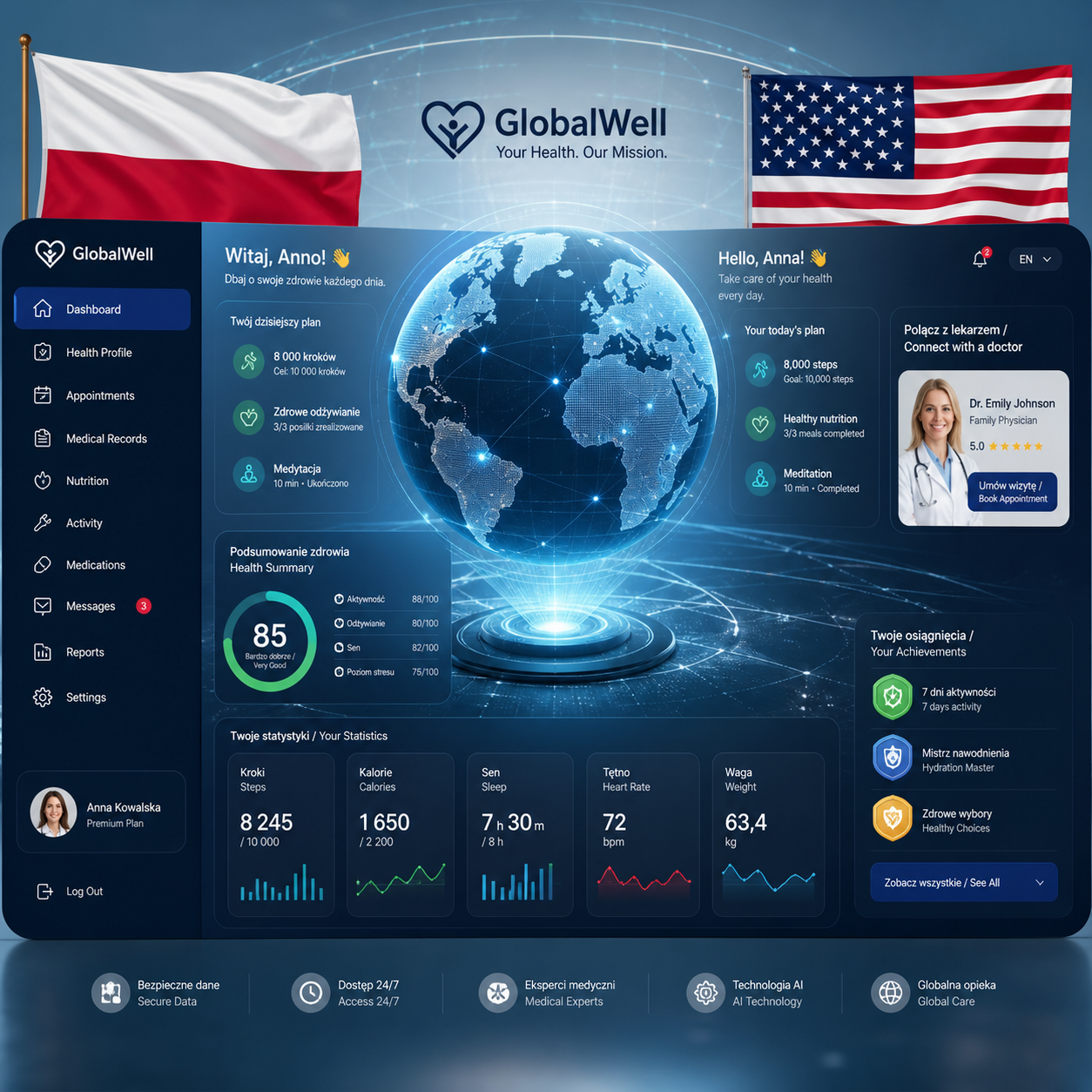
Spend any real time browsing international health resources online and something starts to stand out: Polish digital health platforms keep showing up — in search results, in wellness forums, in social media threads you weren't even looking for. I've been watching this pattern develop for a while now, and in 2026, it's moved well past 'interesting trend' territory. Poland has quietly built itself into one of Europe's most active hubs for digital health innovation, and American users are starting to engage with these platforms — sometimes without even knowing the service they're using is based thousands of miles away.
So in this piece, I want to give you a clear, honest picture of what's actually going on. What makes these platforms worth your time, where the real risks sit, and how to use them without getting burned.
The Rise of Polish Digital Health Platforms in the Global Market
Poland's tech sector has been on a serious upward trajectory for the better part of a decade, and health technology has been right in the middle of it. Warsaw, Kraków, and Wrocław have turned into genuine startup ecosystems for health-focused companies — many of which are now actively chasing international growth. A well-educated workforce, operating costs that undercut Western Europe, and the structural backing of EU regulation give Polish companies a real edge in a crowded global market.
In 2026, that push has gotten tangible. Polish platforms are rolling out English-language interfaces, locking in deals with international payment processors, and designing services for audiences far outside Central Europe. The global telehealth market is on track to surpass $500 billion, and Polish companies are positioning themselves to grab a slice of it — the US market included.
What Makes Polish Health and Wellness Platforms Unique
Before getting into the practical stuff, it's worth pausing on what actually makes these platforms different. I've dug into quite a few of them personally, and the distinctions aren't superficial.
Polish wellness platforms tend to work from a more integrated philosophy than most American equivalents. Instead of breaking physical health, mental wellness, and nutrition into separate products — each with its own subscription — Polish portals typically bundle them under one roof. And the pricing? Notably more competitive. Consultations that would run American users several hundred dollars out-of-pocket are often a fraction of that cost through European providers.
EU Health Data Regulations vs. US Standards
This is one of the more important things to get your head around before you sign up for anything. In the US, health data protection runs through HIPAA — most people have at least a passing familiarity with it. Polish platforms operate under GDPR, the EU's General Data Protection Regulation, which is stricter in certain meaningful ways.
GDPR gives you explicit rights over your data: access it, correct it, delete it. For American users, this can translate to stronger protections in some areas than HIPAA actually provides. But — and this matters — enforcement works differently. If you ever needed to file a complaint or pursue some kind of legal recourse, you'd be working within EU frameworks, which aren't exactly straightforward from a US vantage point. Read the privacy policy before handing over any health-related data. Every time, without exception.
Services Commonly Offered by Polish Health Portals
The service range on these platforms is broader than you might expect, and a lot of it is accessible to international users directly. Here's what you'll typically find:
- Telemedicine consultations — video or chat-based appointments with licensed medical professionals
- Mental health resources — therapy sessions, CBT-based tools, and crisis support lines
- Nutrition and dietary guidance — personalized meal plans often rooted in Mediterranean and Eastern European dietary traditions
- Fitness tracking integrations — compatibility with popular wearables and health apps
- Local health directories — increasingly expanded to serve expats and international travelers in Poland
Navigating Polish Online Services as an American User
Let's get into the practical friction points, because there are a few. Language is the obvious one. Many platforms now run English interfaces, but legal disclaimers and terms of service? Those sometimes stay in Polish. Don't skip them — use a solid translation tool or a browser extension and actually read what you're agreeing to. It's tedious, but it matters.
Payment can also be a headache. Not every Polish platform accepts major US credit cards or PayPal, so check before you commit. Platforms that support international Visa and Mastercard are a safer bet; Wise is worth considering for currency conversion if you're paying in złoty. And don't overlook time zones — Poland runs on Central European Time, which puts it 6 to 9 hours ahead depending on where in the US you are. Live consultations need some advance planning.
How to Identify Trustworthy Polish Health Websites
This part I want to be direct about, because it's where things can go sideways fast. Not every site with a Polish domain or a health-adjacent name is actually operating in the wellness space. I ran into this more than once while researching this piece. When digging through regional Polish service directories, for example, I came across a link labeled Mostbet Poland — a straightforward reminder that domain names and branding can be genuinely misleading, and that you should always verify what a platform actually does before creating an account or sharing personal data.
For platforms that are the real thing, here's what to look for:
- Clear registration information and a verifiable company address in Poland
- Licensing details from Polish medical or health regulatory bodies
- GDPR-compliant privacy policy with explicit data handling disclosures
- Verified professional credentials for any listed healthcare providers
- SSL encryption (the padlock icon in your browser address bar)
- Transparent pricing with no hidden fees
Top Benefits American Users Can Gain from Global Health Platforms
All those precautions noted — there are genuinely good reasons to explore Polish and broader European health platforms in 2026. Here's what I've found actually worth it.
Cost savings are real and sometimes substantial. Specialist consultations in areas like dermatology, nutritional medicine, and mental health coaching regularly come in well below US out-of-pocket rates. Alternative medical perspectives grounded in European traditions can also bring fresh angles to chronic conditions that haven't responded well to standard US approaches — that's not nothing. And European wellness philosophies around preventive care, sleep hygiene, and stress management are gaining serious traction in American health communities anyway; accessing them at the source adds a layer of authenticity you don't get from secondhand summaries.
There's also something genuinely valuable in the multilingual, multicultural lens a lot of Polish platforms bring to health content. If your entire health information diet comes from US sources, engaging with international platforms can shift how you think about what wellness actually means — and what your options are.
Potential Risks and Red Flags to Watch Out For
I'd be doing you a disservice if I left it at the upsides. Real risks exist, and you need to go in knowing what they are.
Unverified medical advice is the biggest one. A professional-looking site based in an EU country doesn't guarantee that every piece of health content has been reviewed by anyone qualified. Cross-reference anything medical with your US primary care provider before acting on it — full stop.
Currency exchange can quietly add up, especially if a service bills in Polish złoty and your bank's conversion rate is unfavorable. Limited legal recourse is a real issue too: recovering money or filing complaints across international jurisdictions is genuinely hard, and it doesn't get easier just because a company is EU-based. And as I mentioned earlier, misleading branding is a legitimate concern — some sites use health-adjacent domain names or language while operating in completely different industries.
Best Practices for American Users Engaging with International Health Services in 2026
Based on what I've learned digging into this space, here's what I'd actually recommend:
- Cross-reference credentials — verify that any listed doctor, therapist, or nutritionist holds recognized qualifications
- Use secure, trackable payment methods — credit cards with fraud protection are preferable to wire transfers or cryptocurrency
- Consult your US-licensed provider first — never implement foreign medical advice without running it by your domestic healthcare team
- Document everything — save receipts, correspondence, and terms of service in case disputes arise
- Be cautious with VPN use — while VPNs can help with geo-restricted content, using them to access services in ways that violate platform terms of service can create legal complications
- Check for English-language customer support — a platform serious about international users will offer accessible support in your language
The Future of Cross-Border Digital Health Services
The direction here isn't ambiguous: cross-border digital health is becoming infrastructure, not a niche experiment. AI-driven telehealth tools are breaking down language barriers faster than most people expected, and early conversations around cross-border insurance compatibility between the EU and select US providers are already happening.
US regulatory bodies — the FDA and FTC among them — are paying closer attention to internationally-sourced health content and services marketed to American consumers. I'd expect clearer guidelines to emerge, and possibly new frameworks dictating how foreign health platforms need to operate if they want to serve US users. That's a development that should ultimately work in everyone's favor.
For now: stay curious, stay informed, stay skeptical in the right ways. Polish health platforms have genuine value to offer international users — but like any online service, they earn trust through scrutiny, not assumption. The global digital health market in 2026 is full of real opportunity. With the right knowledge, American users are in a solid position to make the most of it.