
How to Choose the Best Esports Platform: A Detailed Comparison
Introduction to Esports Platforms
Esports platforms are digital environments that host competitive video gaming, enabling players to compete, stream, and connect globally. Their significance has surged as esports evolved into a mainstream industry with millions of daily users and lucrative tournaments.
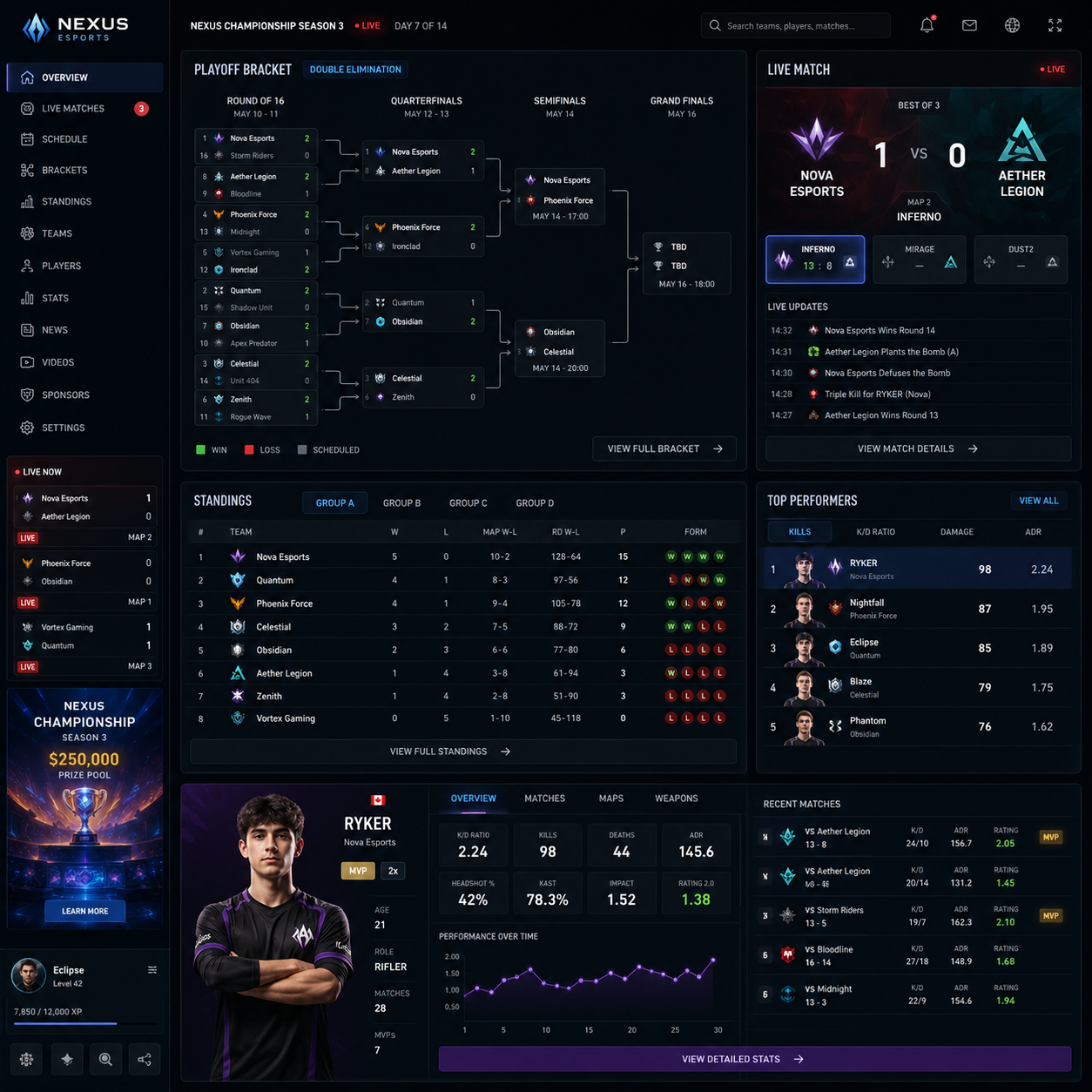
Today, esports platforms serve as hubs where casual gamers and professionals alike find games to play, participate in tournaments, and engage with communities. They integrate features like matchmaking, leaderboards, and live streaming, shaping how competitive gaming is organized and experienced worldwide.
Key Factors to Consider When Choosing an Esports Platform
The best esports platform meets your specific needs by combining several core features: broad game variety, intuitive user interface (UI/UX), robust security and fair play measures, and solid community support.
Look for platforms that support popular titles you enjoy, offer smooth navigation, and protect users from cheating or fraud. Accessibility through multiple payment methods and fast withdrawal options also matters, especially for competitive players betting or earning prizes. Consider the platform’s reach in your region, its tournament structures, and responsiveness of customer support.
Comparing Popular Esports Platforms: Features and Strengths
Several esports platforms dominate the market, each with unique advantages tailored to different types of gamers.
- Platform A: Known for its extensive game library including FPS, MOBA, and fighting titles, it excels with a clean UI/UX design that appeals to beginners and veterans.
- Platform B: Praised for its community features such as integrated voice chat and social forums, fostering player interaction and team building.
- Platform C: A leader in secure competitive modes with strict anti-cheat systems and transparent prize distribution policies.
- Platform D: Specializes in global accessibility with multiple payment options and supports players across diverse regions with localized content.
Choosing between them depends on whether you prioritize game selection, social interaction, competitive integrity, or financial convenience.
Understanding Payment Options and Fees
Transparent and flexible payment methods alongside low platform fees are essential for a satisfying esports experience. The best platforms offer multiple deposit and withdrawal options including credit cards, e-wallets, and cryptocurrencies, tailored to regional availability.
Beware of hidden commissions or slow processing times, which can affect your timely access to winnings. Fee structures vary: some charge a flat fee per tournament entry, while others take a percentage cut from prize pools. Comparing these costs upfront prevents surprises and maximizes your earnings.
Community and Competitive Environment
Strong community and social features elevate an esports platform by fostering camaraderie and healthy competition. Features like in-game chat, forums, and clan support enhance engagement beyond gameplay.
Competitive fairness hinges on rigorous anti-cheat technology and fair matchmaking algorithms, ensuring players compete on a level playing field. Platforms that actively monitor and resolve disputes build trust, encouraging players to invest time and effort.
Matching the Platform to Your Needs: Casual vs. Competitive Players
Different platforms suit different player types. Casual players benefit from user-friendly interfaces, broad game selections, and social features that enhance relaxed gaming sessions.
Competitive or professional players require advanced tournament structures, prize opportunities, and reliable security to protect their investments. Platforms that offer ranked ladders, frequent tournaments, and statistical tracking are ideal for serious competitors.
Understanding your goals—whether casual fun, skill development, or professional advancement—helps narrow down the right platform.
Tips for Getting Started on Your Chosen Platform
To maximize your esports platform experience, start by thoroughly exploring the game variety and testing the UI/UX for ease of use. Create a detailed profile and connect with other players through community features.
Engage with tutorials or beginner guides offered by the platform to understand competitive modes and rules. Carefully review payment and withdrawal options before adding funds, ensuring security and convenience.
Finally, participate in smaller tournaments or practice modes first to build confidence before diving into high-stakes competitions.
FAQ
What are the most trusted esports platforms in 2026?
Leading esports platforms in 2026 combine millions of users worldwide with proven security, diverse games, and strong community features. Examples include Platform A, B, and C, each excelling in user experience, fairness, or accessibility.
How can I ensure the platform I choose is secure?
Look for platforms using advanced anti-cheat software, encrypted transactions, and transparent policies. Verified user reviews and third-party security audits can validate platform trustworthiness.
Are there platforms suitable for beginners?
Yes, platforms with intuitive user interfaces, easy matchmaking, and helpful community support are ideal for newcomers. Features like tutorials and casual modes ease the learning curve.
What types of games are usually available on esports platforms?
Typical titles include first-person shooters, MOBAs, real-time strategy, fighting games, and sports simulations. The exact game variety varies but often covers top competitive games globally.
How do esports platform fees typically work?
Most platforms charge entry fees for tournaments and take a small commission on prize pools. Some may also deduct fees on deposits or withdrawals. Always review the fee schedule before committing.