
The Complete Guide to the English Premier League: Teams, Stats, and History
What Is the English Premier League?
The English Premier League is the top tier of professional football in England and one of the most-watched sports competitions on the planet. Founded in 1992, it was created when the First Division clubs broke away from the Football League to negotiate their own broadcasting and commercial deals — a move that fundamentally changed the economics of world football.
That founding decision proved transformative. The EPL quickly attracted global television audiences, and today it broadcasts to over 200 territories worldwide. Matches between clubs like Liverpool and Manchester United routinely draw hundreds of millions of viewers, giving the league a cultural footprint that rivals the NFL or the Olympic Games.
The league is governed under the broader authority of the Football Association (FA), England's oldest governing body for the sport, though the Premier League itself operates as an independent company owned by its member clubs. This structure gives clubs significant commercial autonomy while maintaining FA oversight for disciplinary and regulatory matters.
How the Premier League Works: Format and Structure
The Premier League runs a straightforward 20-club round-robin format across 38 matchdays per season, with each club playing every other club twice — once at home, once away. Three points for a win, one for a draw, zero for a loss. The team with the most points at the end lifts the trophy.
The season typically runs from mid-August through mid-May, with a brief winter break introduced in recent years. That's a dense calendar, especially for clubs competing simultaneously in domestic cups and European competition.
At the top of the table, the stakes are clear: the top four clubs earn UEFA Champions League qualification, while positions five and six usually secure Europa League spots. At the bottom, the three clubs with the fewest points face relegation to the Championship — England's second division — replaced by three promoted sides. This promotion and relegation system creates genuine jeopardy across the entire table, not just at the summit, which is one reason EPL matches rarely feel meaningless even in April.
The points table updates in real time throughout the season and is the central reference for fans, analysts, and anyone tracking league standings for fantasy football or football simulations.
A Brief History of the Premier League
The Premier League's history falls into a few distinct eras, each shaped by a dominant club or a shift in financial power.
The first era belonged almost entirely to Manchester United under Sir Alex Ferguson. From the league's founding in 1992 through Ferguson's retirement in 2013, United won 13 Premier League titles — a record that still stands. Their dominance defined what winning the league looked like for a generation of fans.
The mid-2000s brought a new challenger. Chelsea's transformation following Roman Abramovich's 2003 takeover introduced a new model: sustained investment in elite players producing back-to-back titles in 2005 and 2006. Arsenal's "Invincibles" season of 2003-04 — an unbeaten league campaign — remains one of the most discussed achievements in EPL history.
Then came the Manchester City era. Backed by Abu Dhabi investment from 2008, City rebuilt methodically and began their own period of dominance in the 2010s, winning multiple titles with record-breaking points tallies. Liverpool's long-awaited title return in the 2019-20 season — their first league championship in 30 years — added another chapter to the league's storytelling.

Premier League Teams: Club Profiles and Tiers
The Premier League's 20 clubs span a wide range of histories, budgets, and ambitions. Understanding how they cluster helps make sense of the standings and transfer news throughout any season.
The Big Six
Six clubs have historically dominated the league's upper reaches: Manchester City, Manchester United, Liverpool, Chelsea, Arsenal, and Tottenham Hotspur. These sides combine large stadium capacities, global fanbases, and the financial muscle to attract top international talent. Arsenal's Emirates Stadium, Liverpool's Anfield, and Tottenham's purpose-built ground at N17 are among the most recognized venues in world football.
The Big Six label is useful shorthand but increasingly contested — clubs like Newcastle United and Aston Villa have invested heavily in recent seasons, challenging the traditional hierarchy.
Mid-Table and Promoted Clubs
Below the top tier sit established mid-table sides — clubs like Everton, Brentford, and Fulham — that compete for the comfort of a top-half finish and cup runs. Then there are the promoted clubs, arriving from the Championship with smaller squads and tighter budgets, fighting primarily to avoid an immediate return to the second division. Their survival battles often produce some of the season's most compelling storylines.
Key Stats and Records That Define the League
A handful of records give the Premier League its historical texture and serve as useful benchmarks for anyone studying football statistics.
- Most Premier League titles: Manchester United, with 13 championships, hold the all-time record.
- All-time top scorer: Alan Shearer holds the Premier League's all-time goals record with 260 goals across his career — a benchmark that has stood for decades.
- Highest single-season points total: Manchester City's 100-point season in 2017-18 remains the benchmark for a dominant title campaign.
- Most appearances: Gareth Barry holds the record for most Premier League appearances, with over 650 games.
- Golden Boot: The award for the season's top scorer is one of the most tracked individual prizes, with players like Thierry Henry, Robbie Fowler, and Mohamed Salah among multiple winners.
These records matter beyond trivia. For fantasy football managers, stats platforms, and football simulation games, they provide the baseline context for evaluating player and club performance across eras.
The EPL vs. Other Top European Leagues
Compared to La Liga, the Bundesliga, and Serie A, the Premier League stands out primarily for its financial scale and competitive balance — though each league has genuine strengths worth understanding.
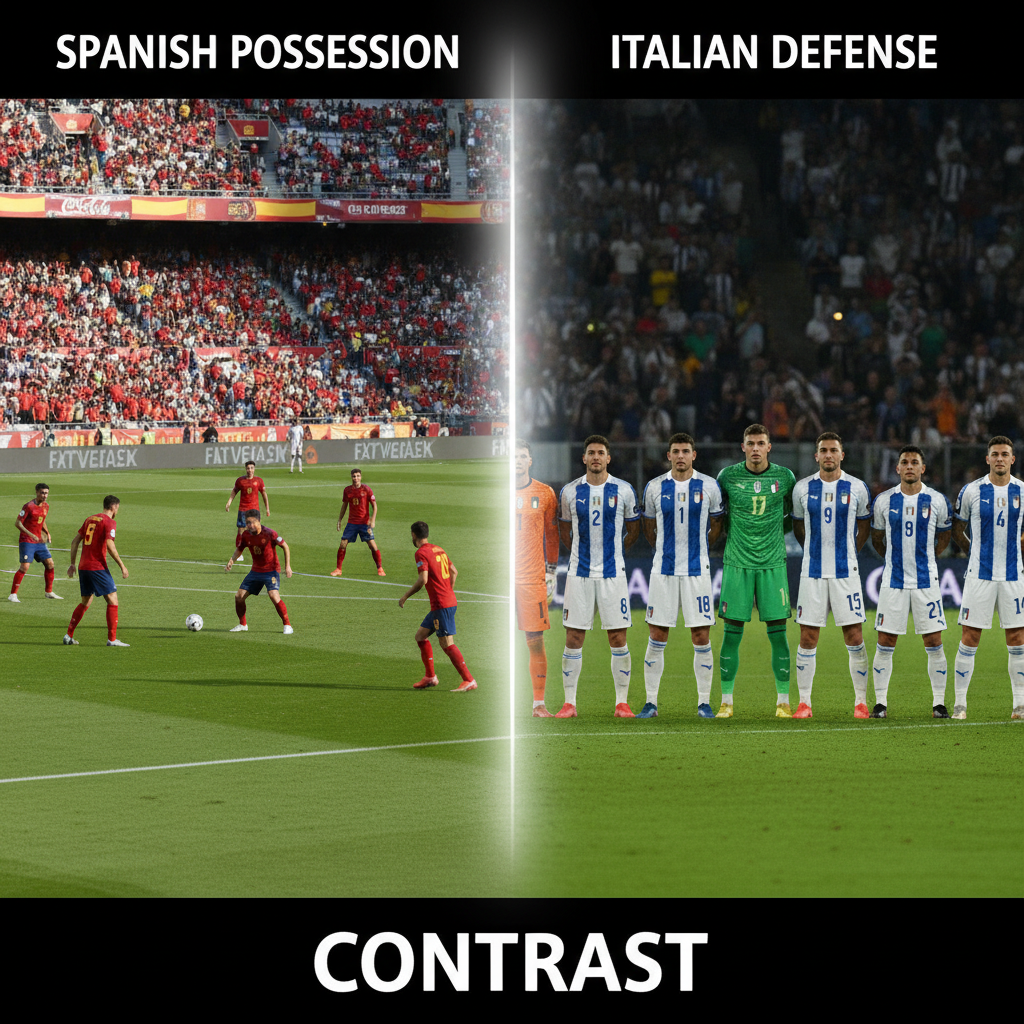
La Liga (Spain) has historically produced the most technically refined football, with Barcelona and Real Madrid dominating both domestic and European competition. The downside: for most of the 2010s, the title race was a two-horse contest, which reduced week-to-week drama.
The Bundesliga (Germany) operates with strict financial regulations — clubs cannot spend beyond their means — and Bayern Munich's sustained dominance reflects that stability. Ticket prices are famously lower than in England, making it more accessible for local fans, though the league's global audience lags behind the EPL.
Serie A (Italy) has regained prestige after a difficult decade, with Juventus, Inter Milan, and AC Milan competing more seriously again. Its tactical sophistication appeals to analysts, but broadcast revenues remain lower than the Premier League's.
The EPL's edge is its broadcast revenue model, which distributes money more evenly among clubs than most rivals, meaning a newly promoted side can still afford competitive wages. That financial floor is a big reason why relegation battles in England are more competitive than in leagues where the gap between top and bottom is vast.
Why the Premier League Matters for Football Fans and Stats Enthusiasts
The EPL's relevance extends well beyond matchday. For anyone engaged with football data — whether through fantasy leagues, statistics platforms, or esports football titles — the Premier League is the primary reference point.
Fantasy Premier League (FPL), the official game run by the league itself, attracts over 10 million managers globally each season. Understanding club fixtures, player form, and rotation patterns is essentially applied EPL analysis. The same logic applies to football statistics platforms that track expected goals (xG), pressing intensity, and defensive shape — metrics that EPL clubs pioneered in mainstream coverage.
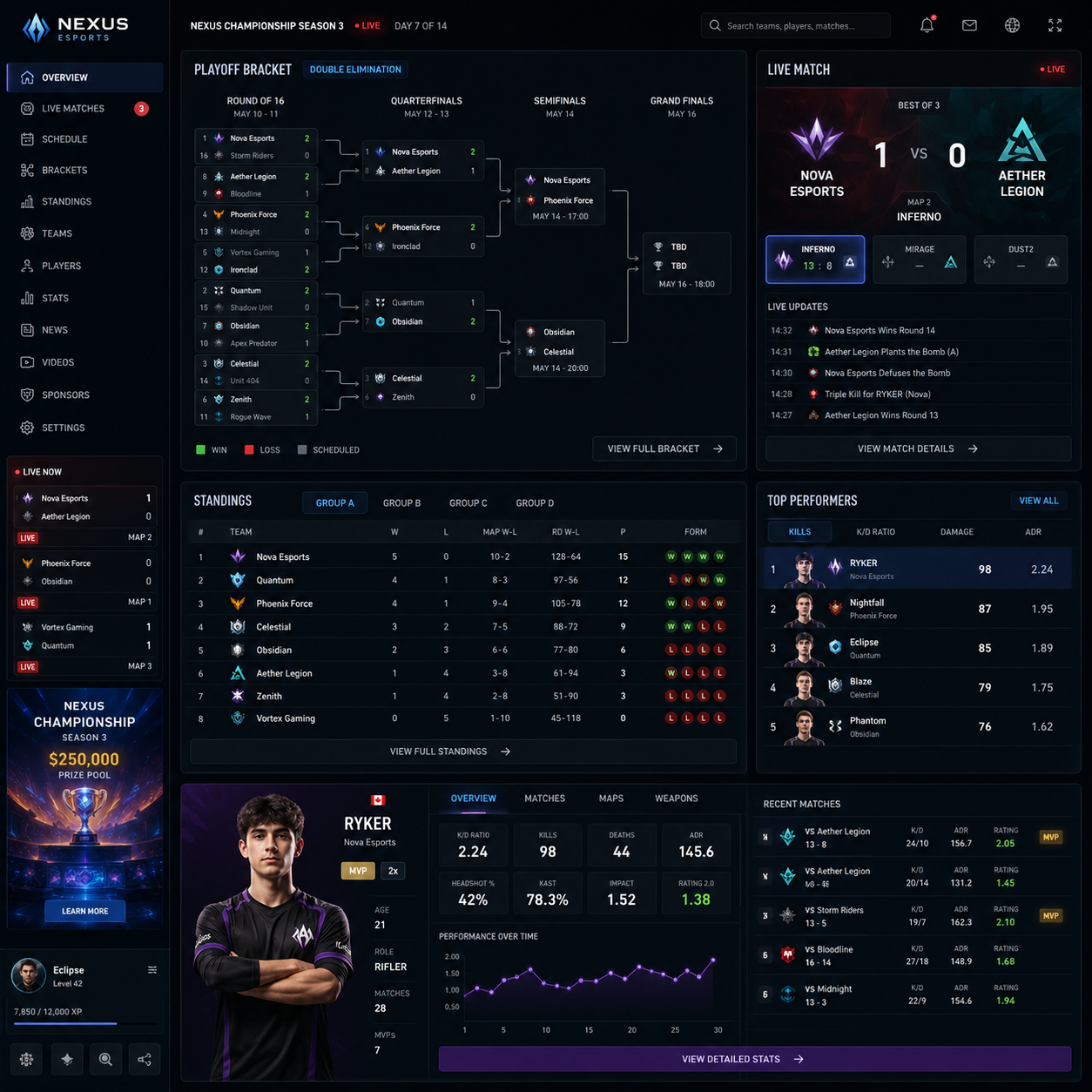
In esports football simulations, EPL clubs and players consistently receive the highest ratings and most detailed in-game data, reflecting the league's outsized investment in performance analytics. Knowing the real-world context — which clubs press high, which rely on counter-attacks, how a newly promoted side sets up defensively — gives players in those simulations a genuine edge.
At its core, the Premier League is the world's most documented football competition. Whether you're building a fantasy squad, analyzing league comparisons, or just trying to understand why a match result matters, the EPL provides the richest dataset to work with.
Frequently Asked Questions
How many teams are in the Premier League?
The Premier League has 20 clubs competing each season. Three are relegated to the Championship at the end of the season, replaced by three promoted clubs.
Which club has won the most Premier League titles?
Manchester United hold the record with 13 Premier League titles, all won during Sir Alex Ferguson's tenure as manager.
What is the relegation system in the EPL?
The three clubs finishing in the bottom three positions of the points table are automatically relegated to the Championship. The following season, three Championship clubs are promoted to take their places, keeping the league at 20 clubs.
When does the Premier League season start and end?
The season typically begins in mid-August and concludes in mid-May, spanning around nine months and covering 38 matchdays per club.
How does the Premier League compare to other football leagues in the world?
The EPL leads in global broadcast revenue and competitive balance. La Liga, the Bundesliga, and Serie A each offer tactical or cultural distinctions, but no league matches the Premier League's combination of financial distribution, international viewership, and week-to-week unpredictability.