Top 5 Football Leagues: Stats, Teams, and Key Differences
Introduction to the World’s Top Football Leagues
The top 5 football leagues—the Premier League, La Liga, Bundesliga, Serie A, and Ligue 1—are the pinnacle of club football worldwide. These leagues stand out due to their history, competitive quality, fanbase size, and global influence. This article dives into their key statistics, leading teams, and unique characteristics to help fans, bettors, and esports enthusiasts understand what sets each league apart.
League-by-League Breakdown
Each league boasts distinct statistics reflecting its style, competitiveness, and market strength. Below, we examine the essential metrics for each:
Premier League (England)
The Premier League is known for its high pace and competitive balance. It averages around 2.8 goals per game and attracts an average stadium attendance of approximately 39,000 spectators, one of the highest worldwide. According to UEFA coefficients, it often ranks first, reflecting its consistent performance in European competitions.
La Liga (Spain)
La Liga, famous for technical flair and tactical discipline, records an average of 2.5 goals per match. Its stadiums hold crowds averaging 27,000 spectators. La Liga clubs boast some of the most won UEFA Champions League titles, making it highly prestigious.
Bundesliga (Germany)
The Bundesliga combines dynamic attacking play with robust youth development. It leads in average attendance with over 43,000 fans per game, reflecting Bundesliga's strong fan culture. The league averages roughly 3.1 goals per game, making it the highest-scoring among the top five.
Serie A (Italy)
Serie A is celebrated for defensive tactics and strategic play. It averages about 2.6 goals per game and has seen a resurgence in competitiveness in recent years. Stadium attendance sits near 25,000 on average. Its UEFA coefficient ranking is strong but tends to fluctuate compared to the Premier League and La Liga.
Ligue 1 (France)
Ligue 1 is renowned for emerging young talents and athleticism. It holds an average of roughly 2.5 goals per game with attendance near 22,000. While historically overshadowed by the other four, Ligue 1 has steadily increased its global profile with major transfers and competitive balance.
Prominent Teams Across the Top Leagues
Each league features clubs whose legacy and current form define their competitions.
- Premier League: Manchester United, Liverpool, Chelsea, and Manchester City dominate with multiple titles and global fanbases.
- La Liga: Real Madrid and Barcelona are iconic giants, with Atletico Madrid rising as a consistent challenger.
- Bundesliga: Bayern Munich asserts near-total dominance, while Borussia Dortmund and RB Leipzig provide strong competition.
- Serie A: Juventus has long been the powerhouse, but Inter Milan and AC Milan have re-emerged as title contenders.
- Ligue 1: Paris Saint-Germain (PSG) leads with star-laden squads, alongside Marseille and Lyon as historic challengers.
These clubs impact transfer markets extensively, often shaping trends with record-breaking signings that affect their leagues’ global appeal.
Comparing Playing Styles and Tactical Approaches
Playing style is a defining element that differentiates these leagues’ identities on the pitch.
- Premier League: Fast-paced, physical, and direct attacking football with emphasis on intensity and pressing.
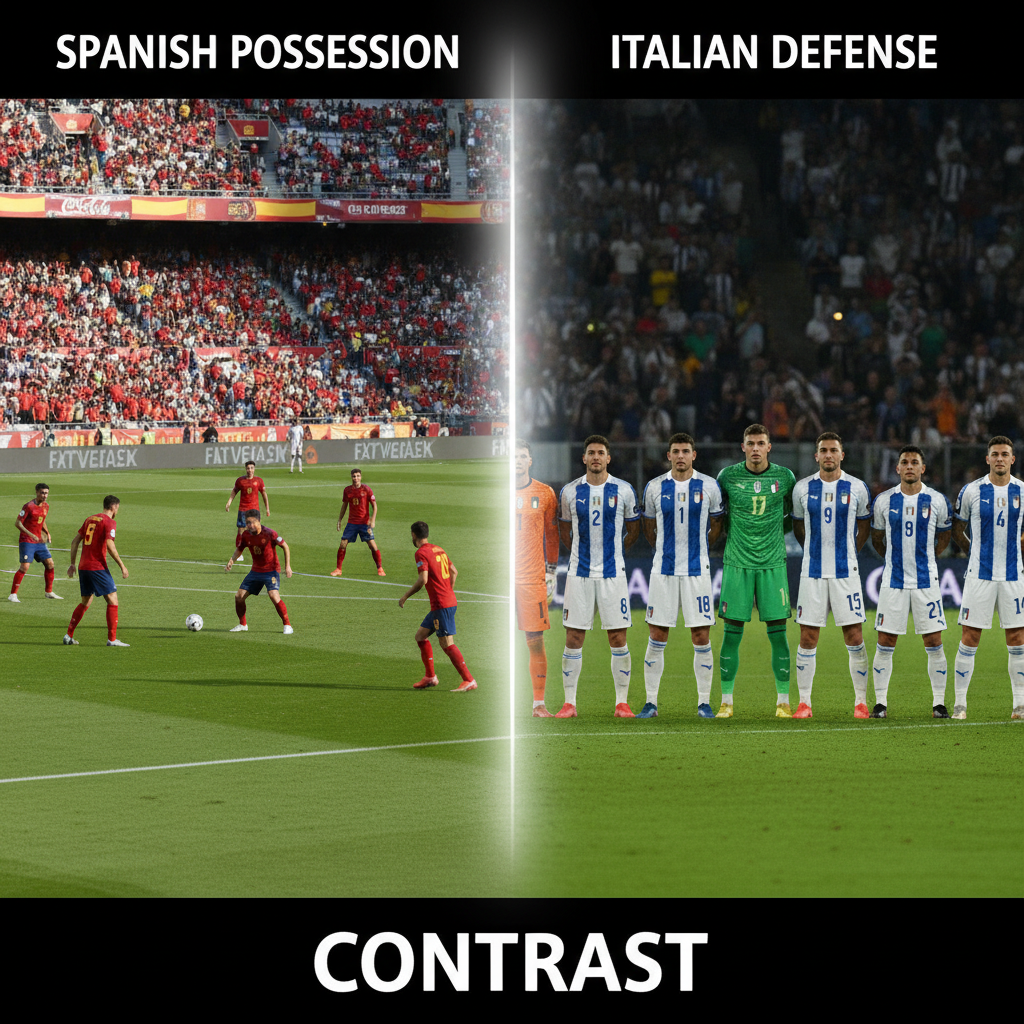
- La Liga: Technical, possession-based tactics highlighting creativity and skillful midfield play.
- Bundesliga: Vertical transitions and high-scoring games balanced by strong youth integration.
- Serie A: Tactical discipline with solid defensive organization and strategic counterattacking.
- Ligue 1: Athleticism and raw pace, often serving as a proving ground for rising talents with versatile styles.
Understanding these differences helps fans and bettors assess team performances across contexts.
Statistical Highlights and Trends
The top 5 leagues reveal compelling trends in attendance, scoring, and defensive strength.
- Attendance: Bundesliga averages over 43,000 per game, far exceeding others; Premier League follows closely with roughly 39,000, showing intense fan engagement.
- Goals per Game: Bundesliga leads with 3.1, reflecting its attacking freedom, with Premier League next at 2.8.
- Defensive Records: Serie A is noted for the tightest defenses, often producing lower scoring, strategic matches.
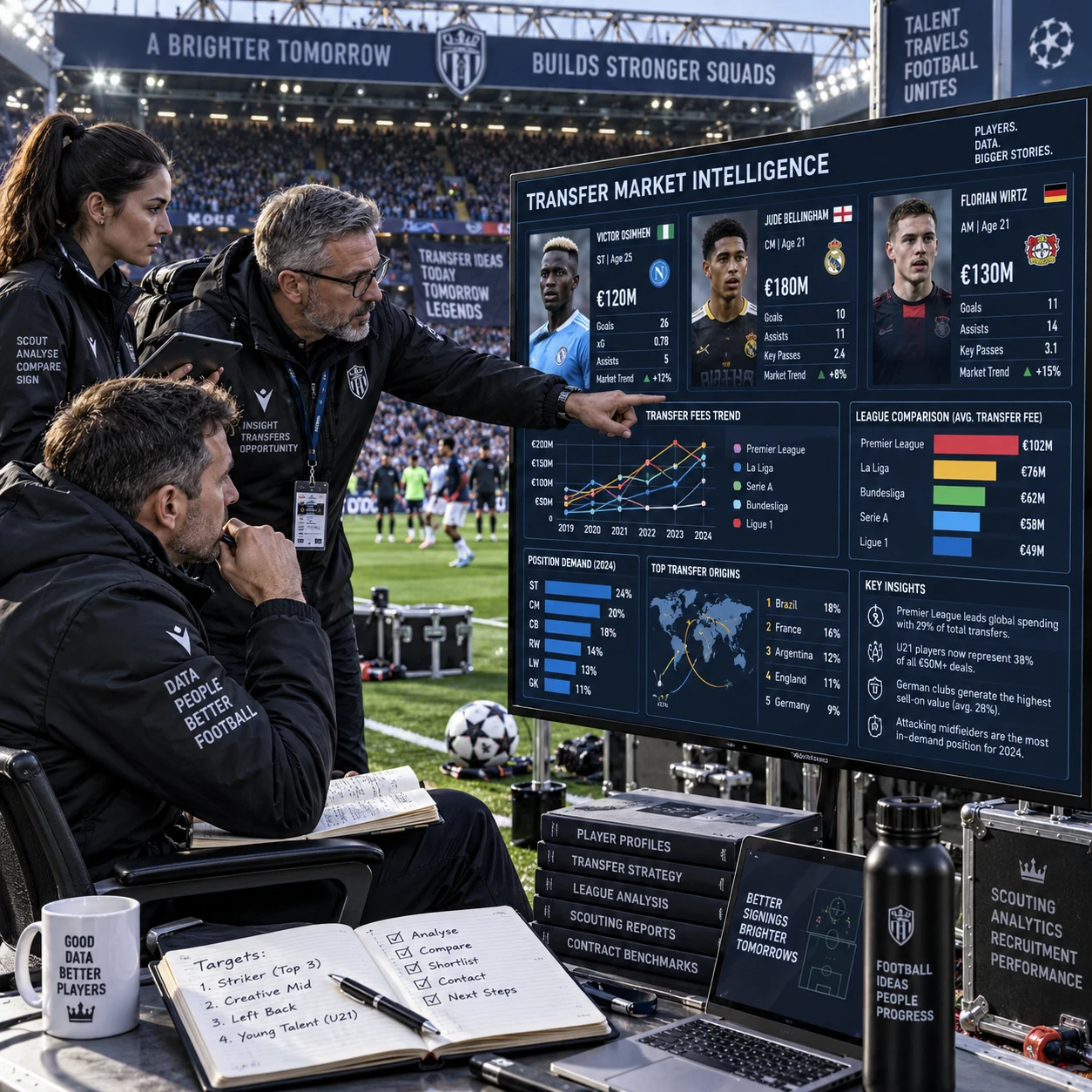
- Transfer Market: Premier League and Ligue 1 stand out for high spending, but Serie A and Bundesliga focus more on sustainable youth development and strategic acquisitions.
These data points support strategic decisions for fantasy football platforms and esports betting, which rely on consistent, quantifiable patterns.
Impact on Global Football and Esports Platforms
These leagues extend their influence far beyond traditional stadiums, playing vital roles in digital football and esports ecosystems.
Premier League’s global broadcast reach and competitive balance make it a favorite in fantasy football leagues and virtual esports competitions. La Liga’s technical style translates well into realistic football simulators, attracting gamers who value tactical gameplay. Bundesliga’s high scoring and youth focus facilitate dynamic esports formats highlighting emerging talents.
Serie A’s strategic reputation integrates into complex fantasy football scoring systems rewarding defensive prowess and discipline. Ligue 1’s rising stars and athletic style provide fresh narratives and player data increasingly valued by football gaming communities.
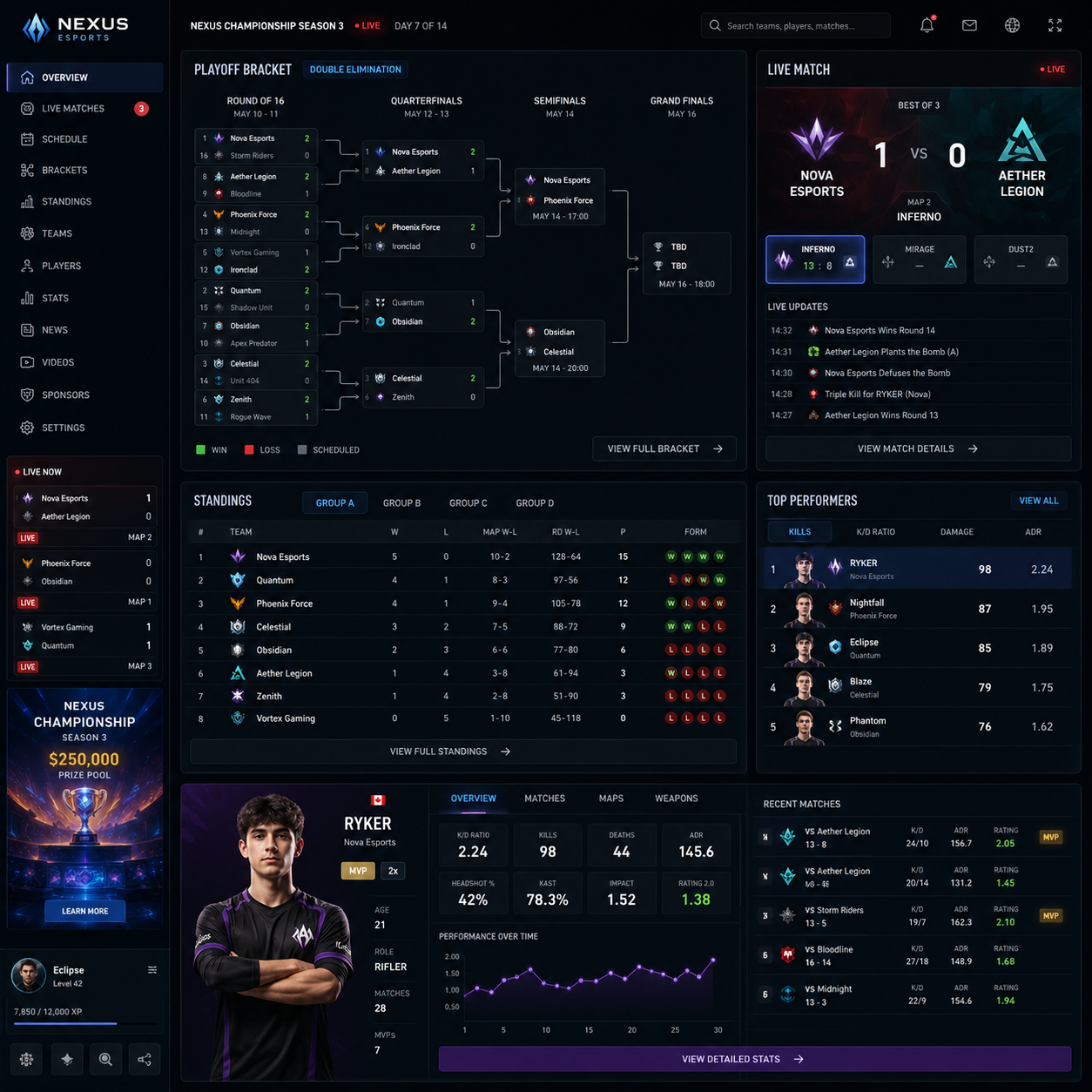
UEFA coefficients affect club qualifications for esports tournaments mirroring Champions League formats, linking league strength directly to digital football prestige.
Conclusion: Choosing Your Favorite and Why It Matters
Choosing the best league depends on personal preference—whether fans prioritize thrilling offensive play, tactical battles, historical prestige, or emerging talent. For bettors and esports players, understanding league statistics, styles, and key teams can enhance decision-making and enjoyment.
Each of the top 5 leagues offers a unique football culture with distinct advantages. Premier League delivers relentless pace and global popularity. La Liga embodies classical technique and flair. Bundesliga captivates with electrifying attacks backed by strong fan engagement. Serie A appeals to lovers of defensive strategy and tradition, while Ligue 1 grows as a hotspot for future stars.
In a deeply connected football world, these leagues shape how the sport is played, consumed, and simulated across platforms, ensuring their enduring significance for fans, bettors, and esports enthusiasts alike.
FAQ
Which league has the highest average goals per game?
The Bundesliga leads with an average of approximately 3.1 goals per match, followed by the Premier League’s 2.8 goals per game.
What are the biggest differences in league formats?
All top 5 leagues operate round-robin formats with promotion/relegation, but the Premier League has 20 teams, while Bundesliga has 18. Different points-per-win and scheduling nuances exist, affecting competitiveness and fixture congestion.
Which teams dominate their leagues consistently?
Bayern Munich in Bundesliga, Manchester United and Manchester City in Premier League, Real Madrid and Barcelona in La Liga, Juventus in Serie A, and PSG in Ligue 1 have traditionally controlled their respective leagues.
How do these leagues impact fantasy football and esports communities?
The leagues provide essential player data, competitive context, and styles that tailor fantasy scoring and esports simulations, influencing player valuations and game strategies used by enthusiasts worldwide.

For authoritative details on UEFA coefficients and league rankings, consult the official UEFA country coefficient page.